
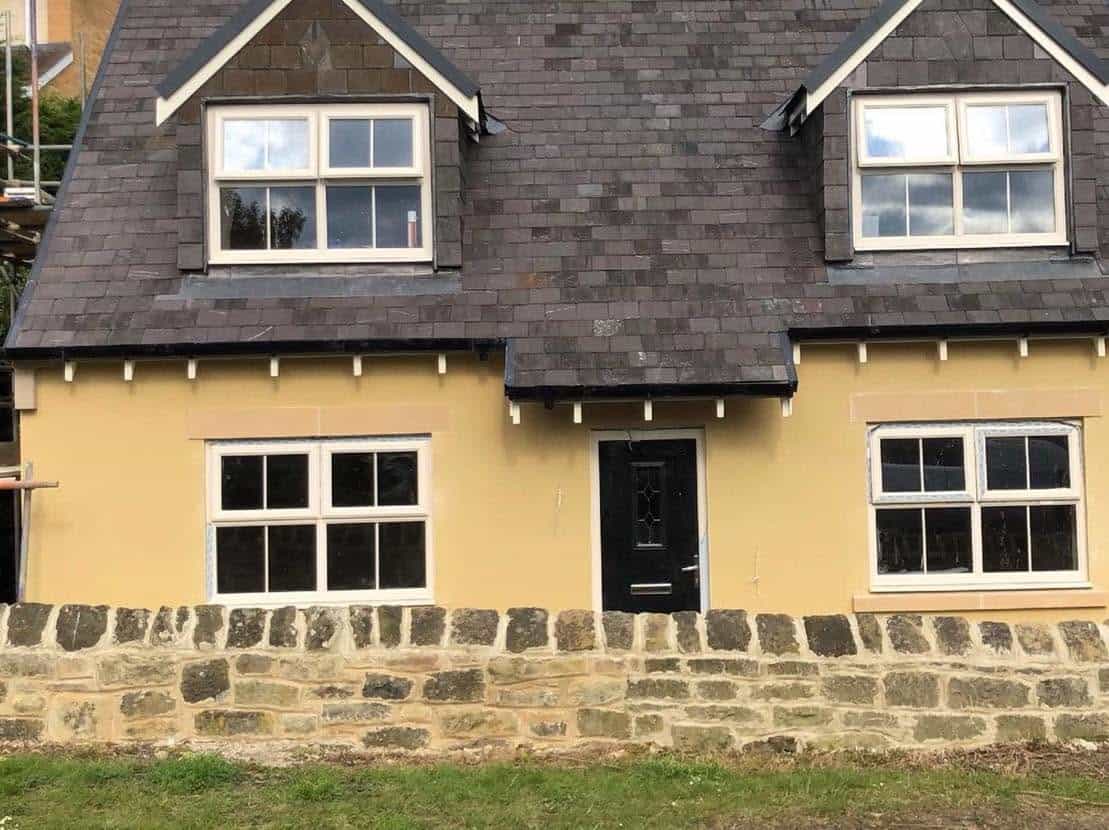
Scratch Coat Rendering in Stockton-on-Tees
Rendco External Rendering Ltd provides professional scratch coat rendering in Stockton-on-Tees for homes, extensions, new developments and commercial properties. A correctly applied scratch coat creates a stable, textured base that helps subsequent render layers bond securely to the exterior wall.
Get A Free Quote
Professional Base Coat Rendering for Exterior Walls
A scratch coat is an important foundation within many traditional and modern exterior rendering systems. It is normally applied directly to prepared masonry or over a compatible bonding layer, creating a strong base for the finishing render. While the scratch coat is still workable, horizontal grooves are formed across the surface to provide a mechanical key for the next layer.
Rendco External Rendering Ltd provides scratch coat rendering in Stockton-on-Tees for property renovations, extensions, newly constructed walls and repairs to existing render systems. Before applying any material, we inspect the background to identify cracks, loose coatings, moisture damage or contaminants that could affect adhesion.
Our team selects preparation methods and materials based on the construction of the wall rather than using the same specification on every property. This helps create a secure base for colour render, monocouche systems, acrylic finishes, pebble dashing and other compatible external wall coatings.
What Is a Scratch Coat?
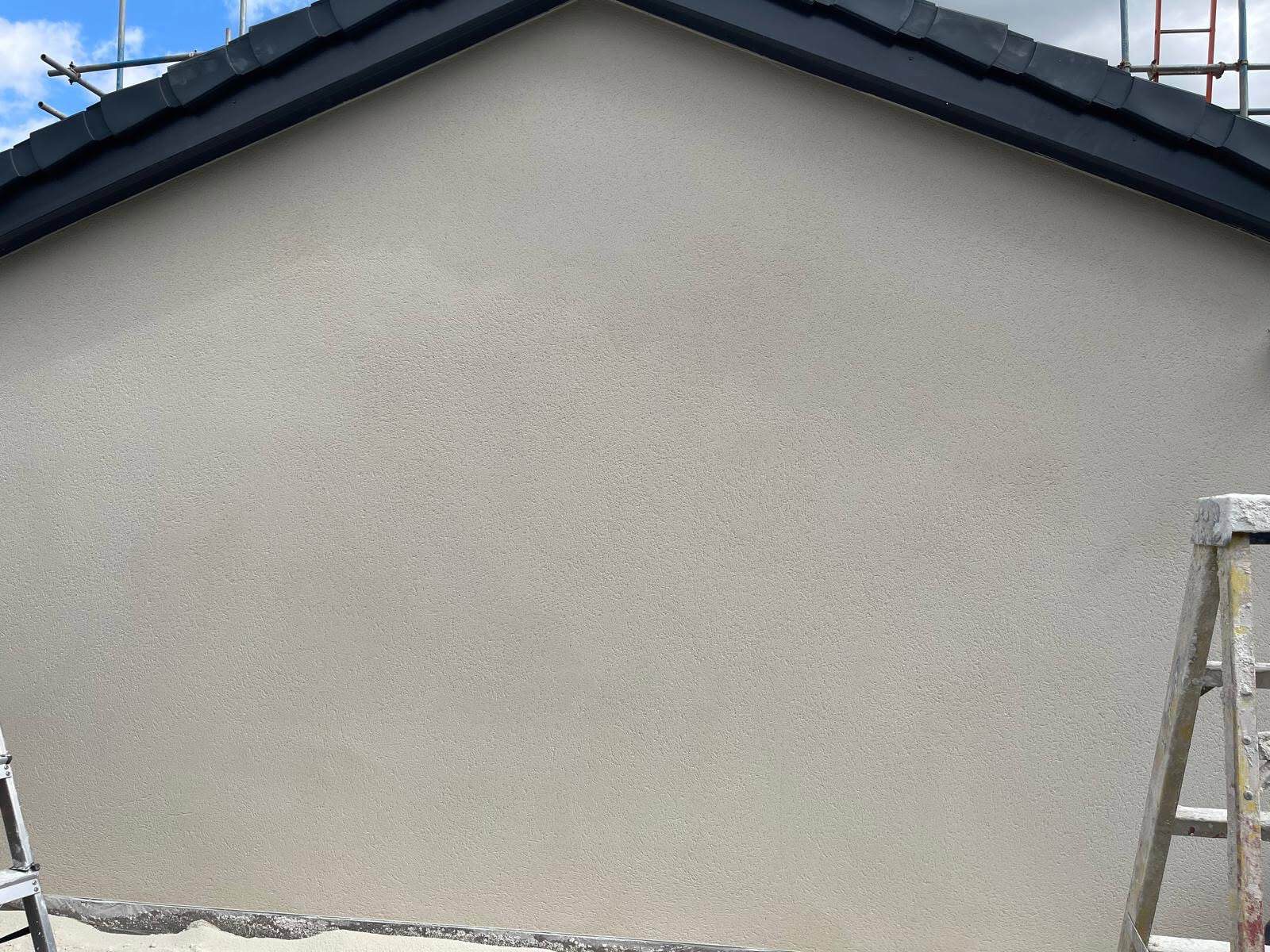
A scratch coat is the first substantial layer of render applied to an exterior wall as part of a multi-coat system. It is usually made from a cement-based render mix, although the exact materials and ratios will depend on the substrate and the decorative system being installed.
After the material has been applied and levelled, a specialist scratching tool is used to create shallow horizontal lines across the surface. These grooves increase the surface area and provide a textured key that allows the next layer of render to grip more effectively.
The scratch coat also helps level minor variations across brickwork, blockwork and other suitable masonry backgrounds. This creates a more consistent surface for the final render and can help reduce visible irregularities across the completed elevation.
Despite its name, the scratch coat is not simply a rough layer applied without care. Its thickness, strength, drying time and compatibility with the wall must all be considered. A coat that is too strong for the underlying masonry can contribute to cracking, while one that is too weak may not provide sufficient support for the finishing material.
Our rendering contractors assess the property and select a suitable approach for the exterior wall construction, the planned finish and the level of weather exposure.
Why Is the Scratch Coat Important?
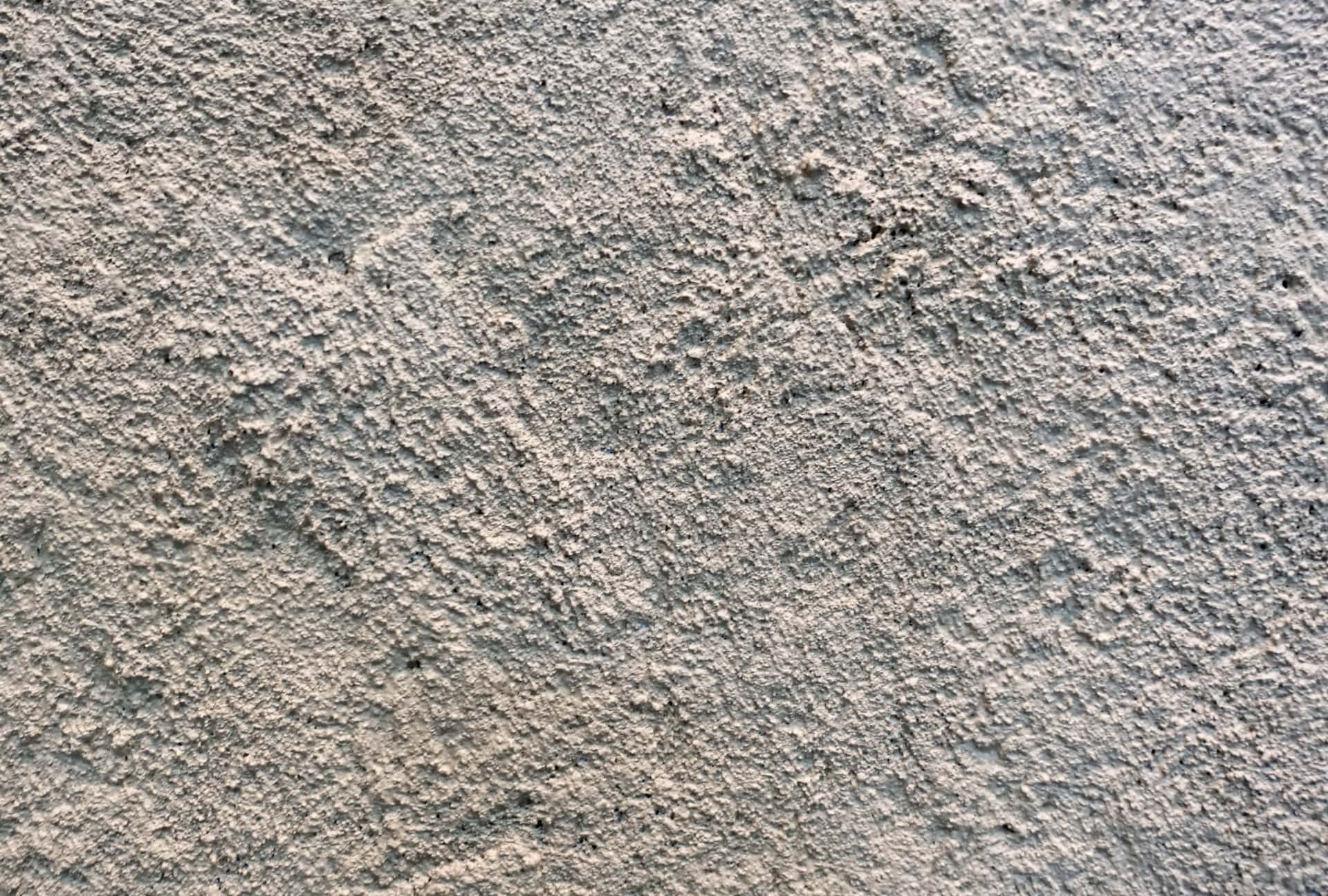
The visible finishing coat receives most of the attention during an exterior rendering project, but its performance depends heavily on the layers beneath it. The scratch coat provides the connection between the underlying wall and the decorative surface, helping distribute the finishing material evenly across the elevation.
A secure base coat can improve adhesion and help prevent areas of the final render from becoming loose or hollow. It also provides an opportunity to correct minor variations in the substrate and reinforce vulnerable sections before the finishing coat is installed.
Properties throughout Stockton-on-Tees and the wider Teesside area can be exposed to frequent rain, cold temperatures, wind and seasonal changes. Exterior wall rendering must therefore be properly prepared to manage these conditions. Applying a decorative coat directly over unstable masonry or failing existing render can lead to cracking, detachment and moisture becoming trapped behind the surface.
Rendco External Rendering Ltd takes the preparation stage seriously. We inspect the background, remove unsuitable material where required and install the scratch coat in accordance with the needs of the property and the selected rendering system.
Preparing Masonry Before Applying a Scratch Coat
Brickwork, blockwork and existing rendered walls can all present different preparation requirements. Before scratch coat rendering begins, the surface must be checked to confirm that it is secure, reasonably clean and capable of supporting the new material.
Loose render, flaking paint and unstable coatings should not be covered without investigation. These layers can separate from the wall and cause the new rendering system to fail with them. Damaged sections may need to be removed so the underlying masonry can be inspected and repaired.
Dirt, dust, algae and other contaminants can also interfere with the bond between the wall and the base coat. Suitable cleaning may therefore be required before any primer, bonding treatment or render is applied.
Highly absorbent masonry can draw moisture from fresh render too quickly, affecting workability and curing. In contrast, smooth or low-suction surfaces may not provide sufficient grip without additional preparation. Depending on the background, our team may use controlled dampening, a bonding coat, specialist primer or another compatible treatment.
Cracks and changes between different building materials are assessed carefully. Reinforcing mesh may be embedded within the base layer to strengthen vulnerable areas and help manage minor movement. This is particularly important around extensions, repaired walls, window openings and junctions between old and new masonry.
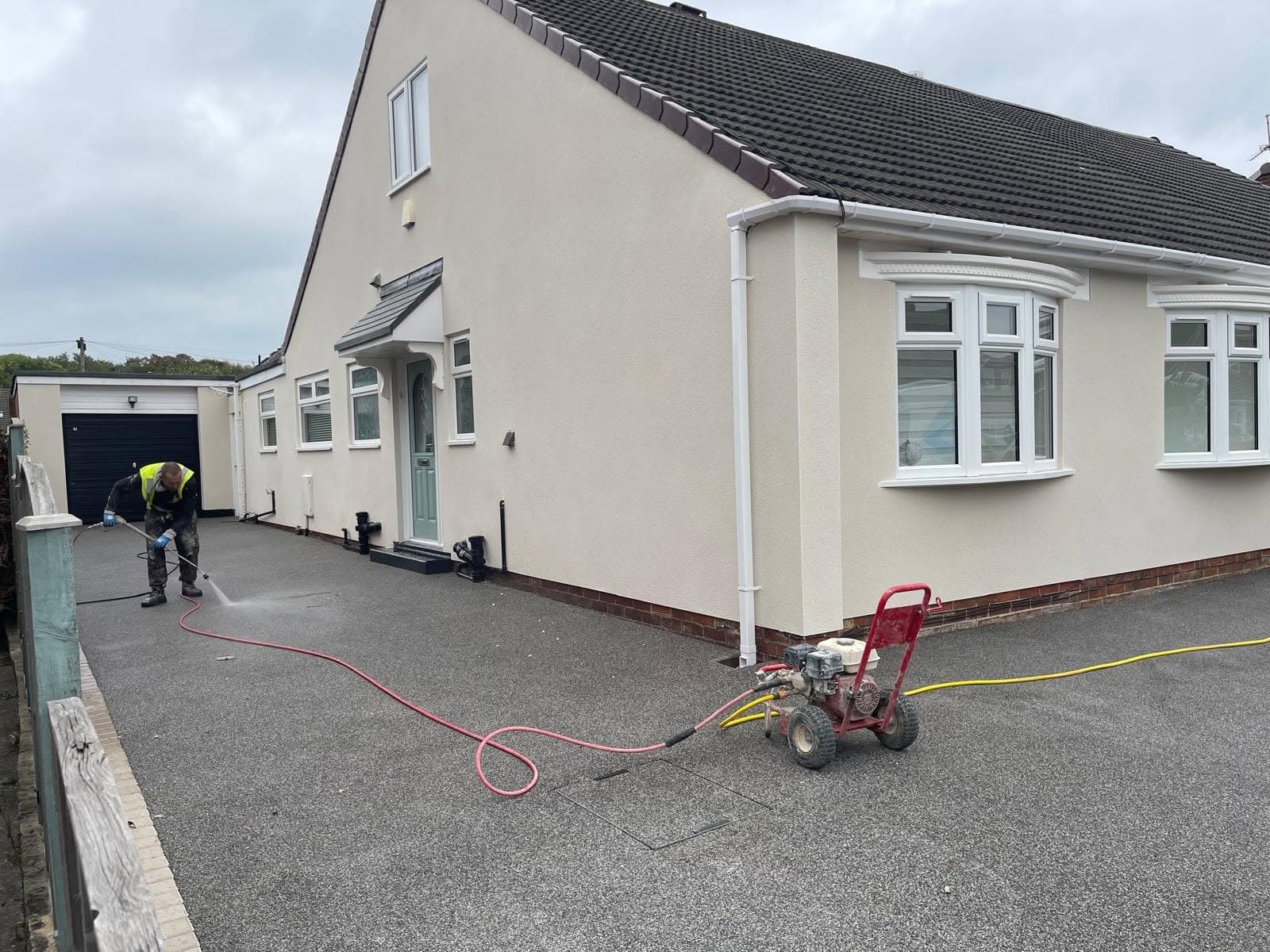
Scratch Coat Rendering for Extensions and New Walls
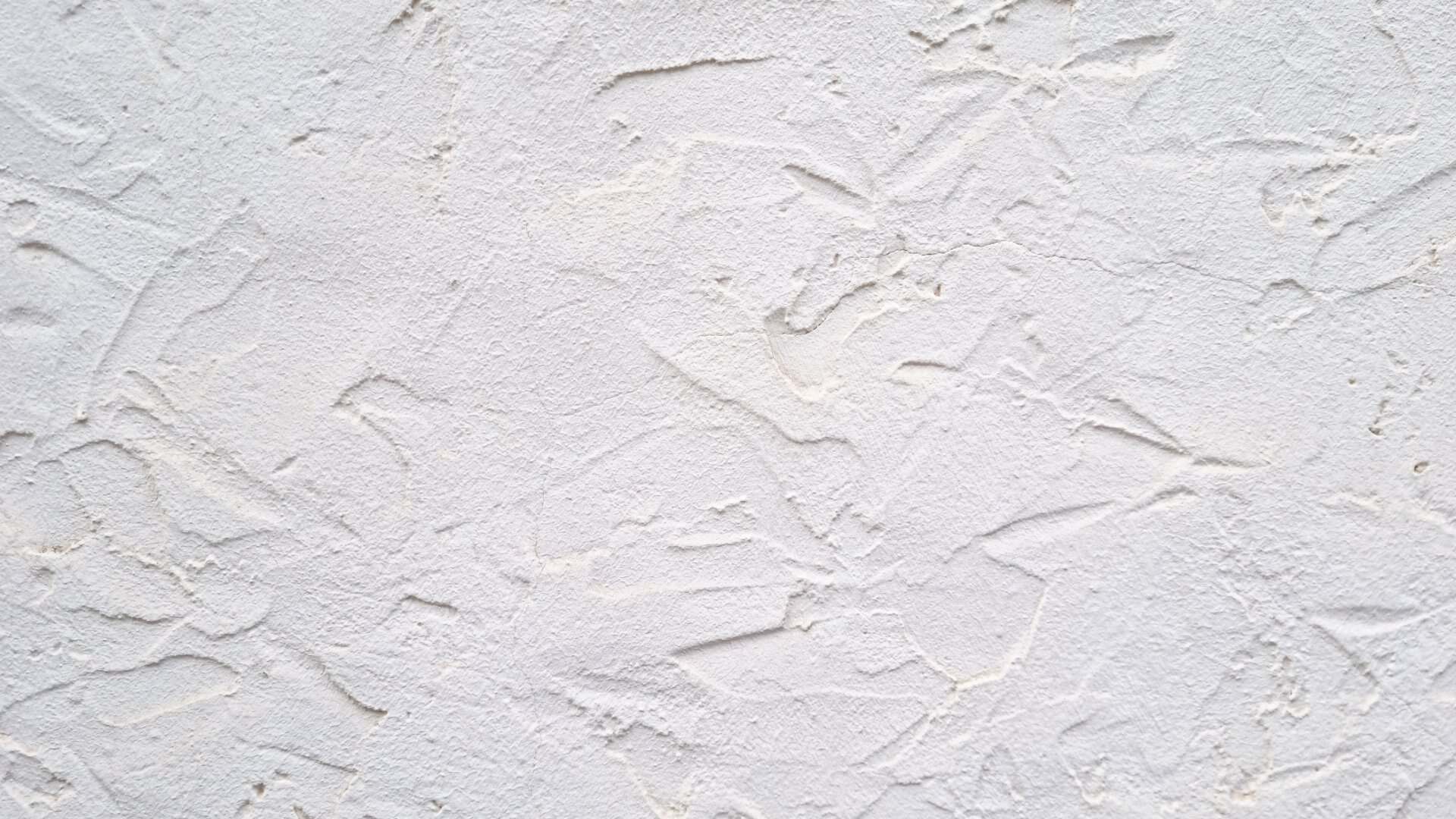
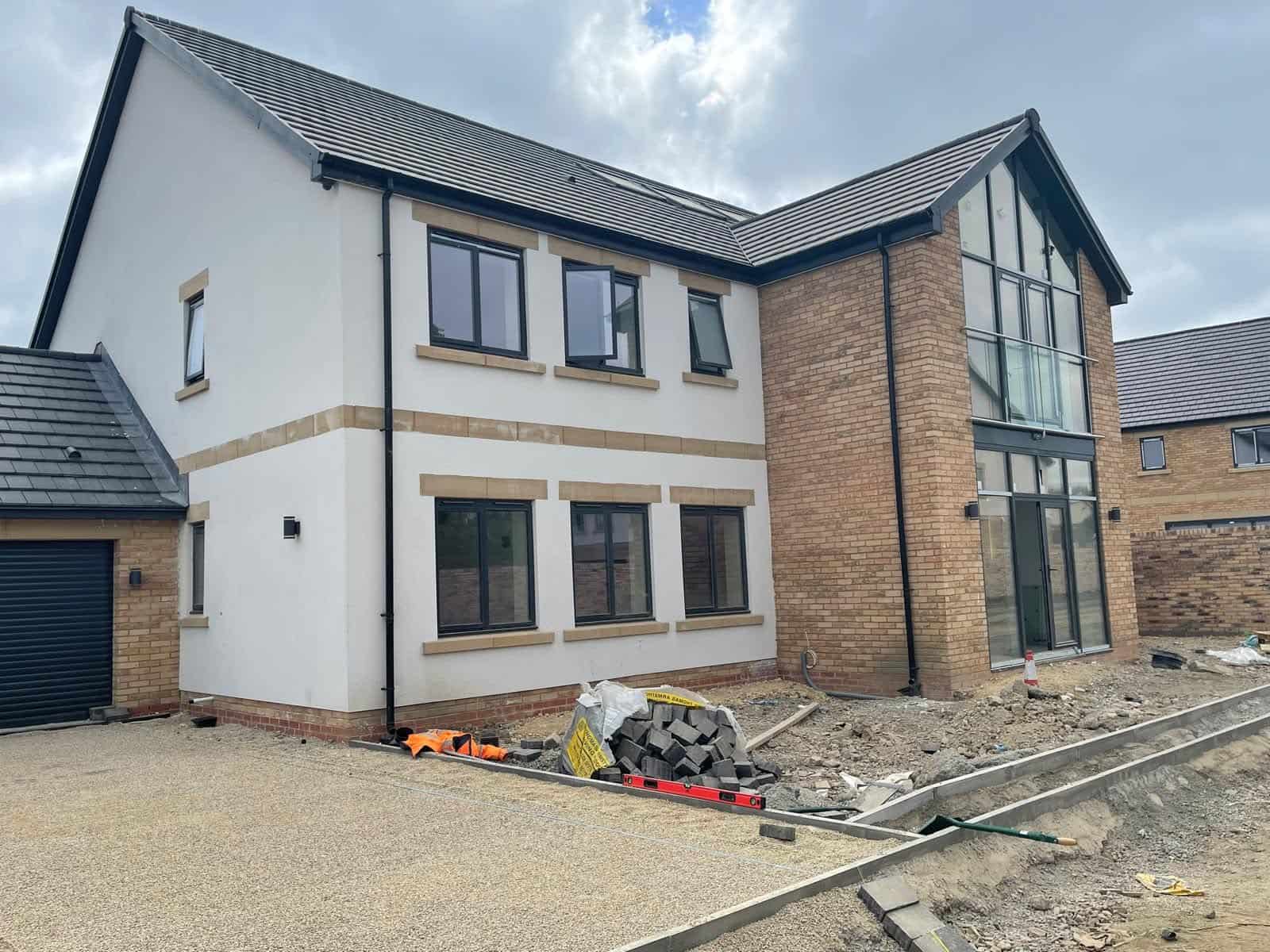
Scratch coat rendering is frequently used during extension and new-build projects where exposed blockwork requires a complete exterior finish. The base coat helps prepare the new masonry for the chosen decorative system and provides a consistent surface across the completed structure.
Extensions can include several different substrates, particularly where the new construction joins the original house. The point where old and new materials meet may be more susceptible to movement, so it must be assessed and reinforced appropriately before the final render is installed.
Rendco External Rendering Ltd provides base coat rendering for rear extensions, side extensions, garden rooms, garages and newly constructed external walls throughout Stockton-on-Tees and Teesside. We can prepare the surface for a finish selected to blend with the existing property or create a modern contrast.
Where the original building also requires rendering, we can assess whether the complete exterior should be prepared as one system. This can help create a more consistent appearance across the property and reduce visible differences between older walls and newly built areas.
Scratch Coat Rendering Across Stockton-on-Tees and Teesside
Rendco External Rendering Ltd provides scratch coat rendering throughout Stockton-on-Tees, including Norton, Fairfield, Hartburn, Roseworth, Thornaby and surrounding communities. We also work across Billingham, Middlesbrough, Redcar and the wider Tees Valley.
The area contains a broad mixture of older brick-built houses, post-war properties, modern blockwork construction and homes with previous exterior alterations. Each type of building can require a different approach to wall preparation and base coat rendering.
Properties in exposed parts of Teesside may experience regular wind-driven rain and fluctuating temperatures. Correct preparation is particularly important in these conditions because moisture can exploit cracks, loose coatings and poorly detailed edges.
Whether you need a scratch coat for a new extension, a full property renovation or repairs to failing exterior render, our team can inspect the walls and recommend an appropriate specification.
Contact Rendco External Rendering Ltd to arrange a free quotation for scratch coat rendering in Stockton-on-Tees or another location across Teesside.
Frequently Asked Questions
A scratch coat creates a strong, textured base for the next layer of an exterior rendering system. Once the base render has been applied and levelled, horizontal grooves are formed across the surface using a scratching tool. These lines provide a mechanical key that helps the finishing coat bond more securely. The scratch coat can also level minor variations across brickwork or blockwork, creating a more consistent background for the final render. Its strength, thickness and composition must be compatible with the masonry and the planned finishing material. Rendco External Rendering Ltd assesses each exterior wall before selecting the preparation and base coat specification, helping create a reliable foundation for the complete rendered finish.
A scratch coat can often be applied to suitable brickwork, but the wall must first be inspected and prepared correctly. The masonry should be stable, reasonably clean and free from loose paint, dust, organic growth or other materials that could reduce adhesion. Smooth bricks, low-suction surfaces and heavily weathered masonry may require additional preparation or a compatible bonding treatment. Highly absorbent walls may also need controlled dampening to prevent moisture being drawn from the render too quickly. Damaged mortar joints and cracks should be repaired before rendering begins. Our team assesses the condition and suction of the brickwork before recommending whether the scratch coat can be applied directly or whether another preparatory layer is necessary.
The curing period required before applying the next render layer depends on the materials used, the thickness of the scratch coat, the wall construction and the surrounding weather conditions. The base coat needs sufficient time to firm and cure without drying excessively quickly or remaining saturated. Applying the finishing coat too early can interfere with the curing process and affect the strength of the complete system. Cold temperatures, high humidity and wet weather may extend the required period, while strong sunlight and wind can cause rapid drying. Rendco External Rendering Ltd follows the requirements of the selected rendering products and assesses the condition of the base before proceeding with the decorative finish rather than relying on a single fixed timescale.
Reinforcement mesh is not required in exactly the same way across every wall, but it can be beneficial in vulnerable sections of an exterior rendering system. Mesh may be installed around window and door openings, across repaired cracks, over changes in substrate or where newer blockwork meets an older structure. It can also be incorporated across larger areas when specified by the selected system. The mesh is embedded within the appropriate base layer rather than being left exposed on the surface. Its purpose is to distribute minor stresses and reduce the likelihood of localised cracking, although it cannot compensate for significant structural movement. Our renderers assess the property and recommend reinforcement where it is appropriate for the wall construction and planned finish.
A properly prepared scratch coat can support several compatible exterior finishes depending on the wall, specification and appearance required. Rendco External Rendering Ltd provides colour rendering, monocouche rendering, acrylic rendering and pebble dashing alongside traditional base coat preparation. Some systems have their own manufacturer-approved primers and reinforced base materials, so a conventional sand and cement scratch coat is not automatically appropriate beneath every modern product. Our team considers the complete rendering system before work begins to ensure the individual layers are compatible. We can explain the available finishes and recommend an approach based on the masonry, existing condition, weather exposure and visual result you want for your home, extension or commercial property.
Rendco External Rendering Ltd provides scratch coat rendering in Stockton-on-Tees and throughout Teesside and the wider Tees Valley. Our coverage includes Norton, Hartburn, Fairfield, Thornaby, Billingham and surrounding areas. We also complete exterior rendering projects in Middlesbrough, Redcar and nearby North East communities. Our team works on older houses, modern properties, new extensions, garages, garden rooms and suitable commercial buildings. As the construction and condition of exterior walls can vary significantly between properties, every project is assessed individually before a rendering specification is recommended. Customers outside the listed locations can contact us with their postcode and project details so we can confirm availability and discuss the preparation, base coat and decorative finish required.